A third of neurodivergent workers in energy have faced discrimination, finds Prospect survey
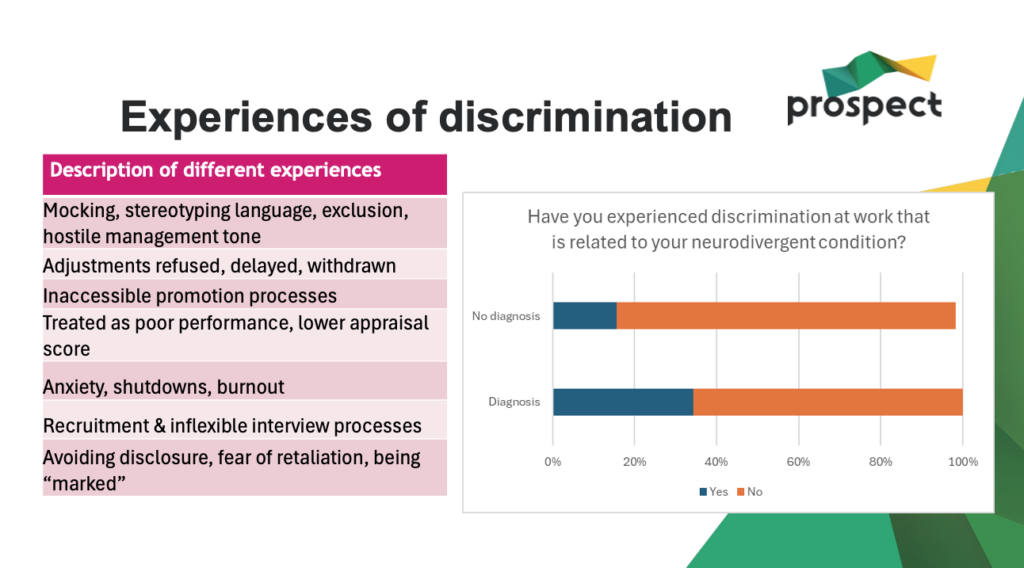
Nearly 300 members responded to a Prospect survey on neurodiversity in the energy sector, revealing that about one in three have faced some form of discrimination at work.

The findings also show that there is widespread masking: whereby individuals feel they need to employ strategies at work to make themselves appear more ‘neuro-typical.’
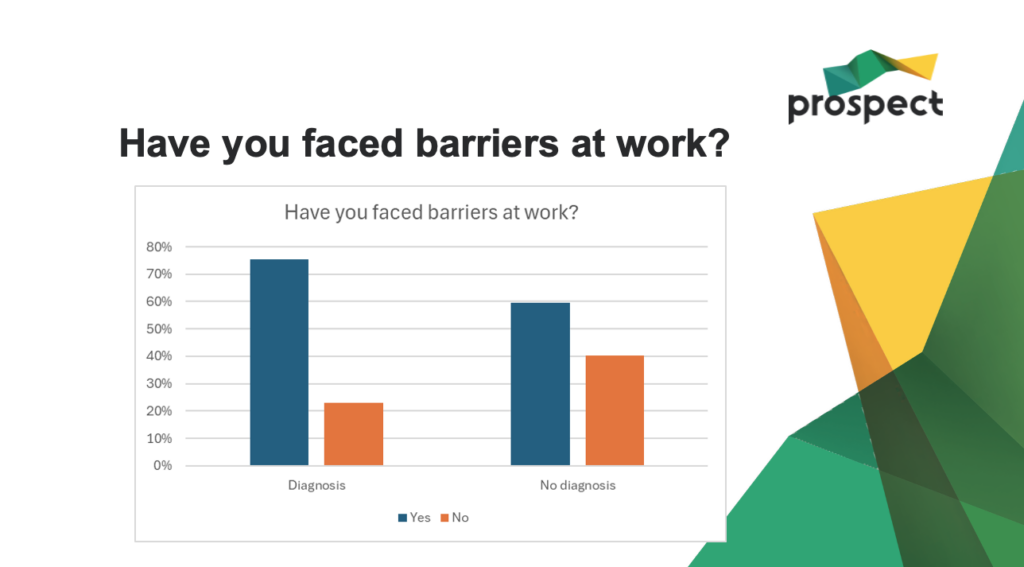
Of the respondents, there was a fairly even split between those that had been formally diagnosed and those that had been not, yet a clear majority in both groups agreed that they faced barriers at work. Forty-two respondents also said they did not consider themselves to be neurodivergent.
Many also revealed that they did not feel comfortable discussing, or disclosing their condition at work. Among the challenges they cited include:
- Workload and time management
- Management culture and lack of support
- Career progression, promotion and assessment
- Sensory and physical work environment
- Discrimination and stigma
- Burnout and mental health impacts
- Communication
- Reasonable adjustments (process and access)
Among the recommendations for how employers can support workers who are neurodivergent include:
- Training for line managers on neurodiversity
- Alternative assessment methods for recruitment and promotion
- Rejecting stereotypes and one-size-fits-all solutions for a case-by-case approach
The survey
In March 2026, Prospect ran a survey to find out more about the experiences of neurodivergent people working in the energy sector.
It is known that at least 15% of the adult population may be neurodivergent with conditions such as autism, dyslexia and attention-deficit hyperactivity disorder (ADHD).
Many neurodivergent people are highly able, leading successful careers and holding positions of authority, however, they can also face challenges at work, often because their employer does not fully understand their strengths and needs.
Members can download a briefing of the survey results from the Prospect Library.
