Paul Clarke: The growth and challenges of renewables
Paul Clarke, now Head of Offshore Wind Asset Operations for EDF Power Solutions UK and Ireland, first spoke to Prospect in 2019 just as he was making the switch from traditional energy generation to renewables.
First published in June 2019, read our earlier interview with Paul Clarke.
Six years later, Paul brings us up to date on the growth of renewables and challenges for the future.
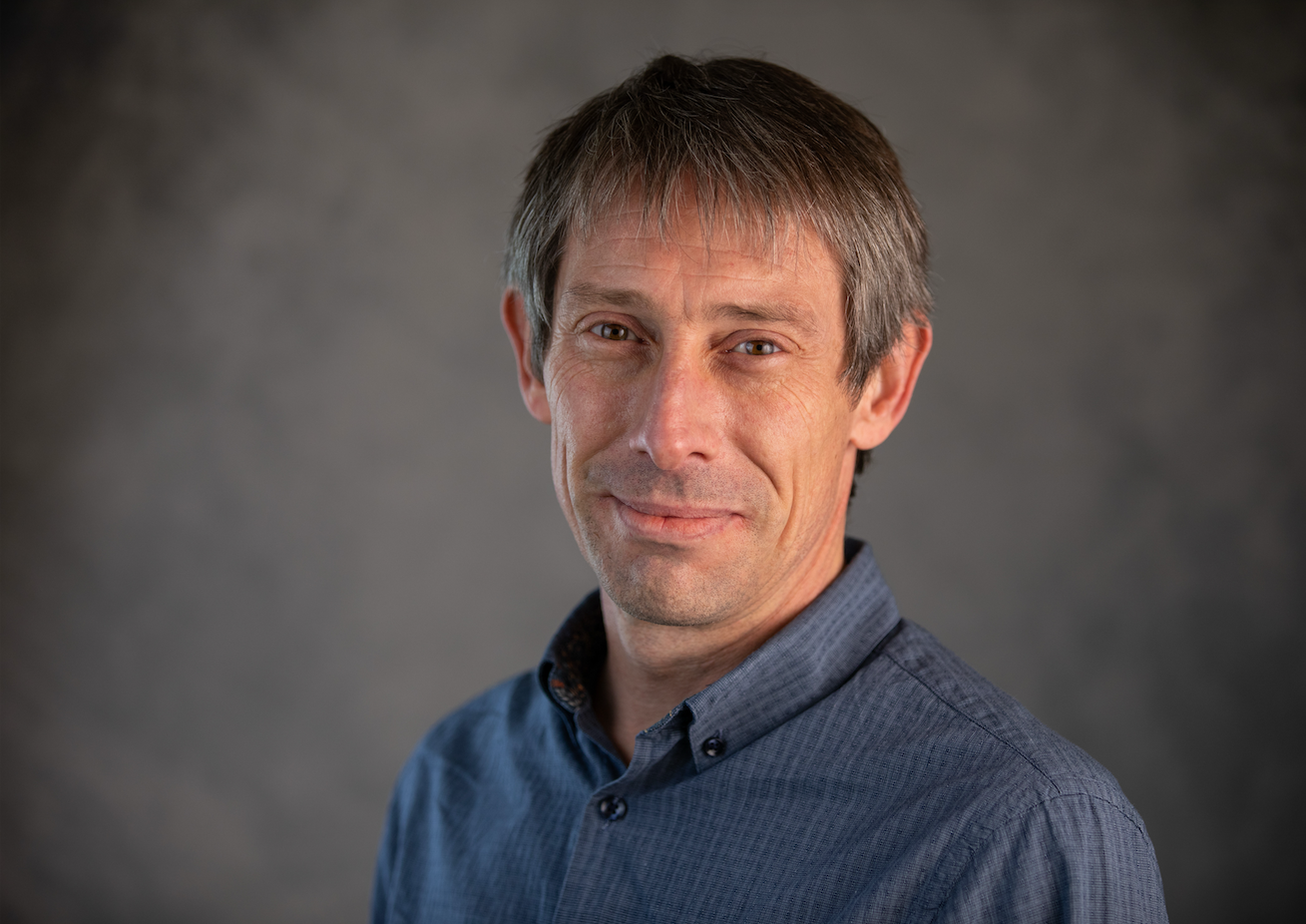
Paul Clarke
I look after EDF Power Solutions’ operating offshore wind farms here in the UK and also support the development of new projects too, such as Gwynt Glas in the Celtic Sea and Codling Wind Park in the Irish Sea.
Obviously, they’re both some way off from being operational but we’re trying to have some influence and input into these projects at an early stage to make them more successful when, and if, they eventually get built.
I still live near Cottam, the coal-powered power station that was operated by EDF, and where I previously worked. I am primarily home-based, but I try to get offshore one, two or three days a month to touch and feel the things that I’m accountable for.
As an entity, we’ve got partially divested assets in our offshore wind farms. We don’t own them outright by ourselves. Rather, we provide a management service for the wind farms.
We manage all the contracts and it’s different at different sites. So, I’ve got our own technicians working on turbines at Teesside who work for EDF but at the other sites, the turbines are run by the turbine OEMs, the manufacturers themselves.
How the jobs landscape has changed
Renewables have grown massively over the last few years. There’s no doubt about it.
In fact, to take a step back, those early days did feel like a gold rush and things were booming.
What we found is that the skills base we had developed here in the UK was being put to work in Thailand, in Germany, in Brazil, or the United States.
So, when it came to skills and staff, it was feeling very tight. Things were growing quicker than you could place people with the relevant skills.
But in the last year, there has been real a change. It’s almost like we’ve had a chance to catch our breath and really ask ourselves, how do we adequately resource this locally?
From my point of view, the difficulty in finding people is not as bad as it was. It feels a little bit easier.
I’ll try and take some credit for it but, traditionally, when we were looking for technicians in particular, they’d say you must have worked in wind, or this and that. Now it’s a bit more relaxed and they’re more willing to recognise transferable skills from other industries.
If I go back to 2018, 2019, to come and work in renewables, it had to be on your CV already. We were always talking about this chicken and egg: how do you get into renewables, if you’re not already in renewables?
It was a bit of a closed shop. That’s not the case now, and I like to think the whole industry has woken up to this. It’s been great to see the industry move in this direction.
We’re now more open to bringing people in and recognising that an underlying skillset can be built upon and applied in this industry.
Sitting on Prospect’s energy sector executive
There was a growing critical mass of members working in renewables, and it was great that Prospect recognised that I could bring a ‘renewables’ voice to committee.
Nuclear will always dominate because of the number of jobs, the well-paid nature of those jobs and the fact that many of those companies recognise unions.
Now, even at an EDF branch level, we’ve found more of a balance as well.
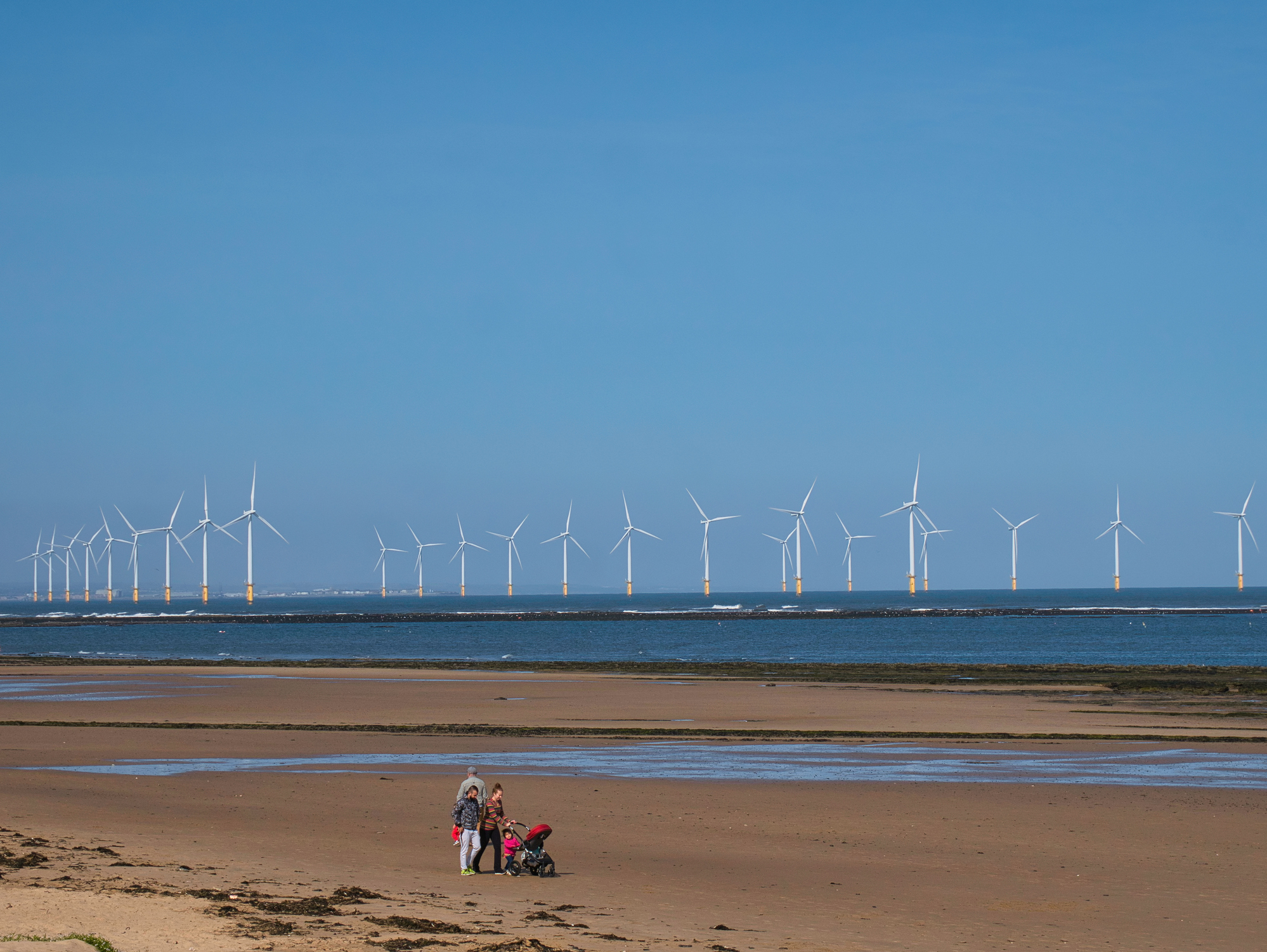
Wind turbines of the Teeside Wind Farm
Renewables slowdown?
I saw this presentation recently from a sales director for Siemens, he sells most of the offshore turbines in Europe, and he showed us some industry projections.
It showed that the renewables industry seems to follow this three-to-four-year horizon: there’s exponential growth but it’s always three or four years away.
The super growth is always projected to be there, but it keeps moving, three or four years away!
You can see that while we have grown, the golden times never quite seem to arrive and it can be difficult to make investment decisions but we have reached 2GW in the face of tough market conditions and we still have a goal to reach 10GW by 2035.
As I said before, it was previously difficult to find contractors but now there’s a bit of a slowdown, there are more to be found and there’s not enough work for them.
Everybody’s wondering what it means. Maybe, in practice, a lot of the skills that were transitioning from oil and gas to the renewables sector can also return to oil and gas because that’s had a bit of a turnaround.
So, the journey, at the moment, seems to be slowing down a little. But it is inevitable that it will pick up again. We just don’t know when on the horizon that’s going to be.
