Defence reps meet in London to drive sector forward
Senior defence reps across the public and private sectors met in person at Prospect’s HQ in Rochester Row, London on Thursday, 10 September for discussions on industrial, organising and legal updates.
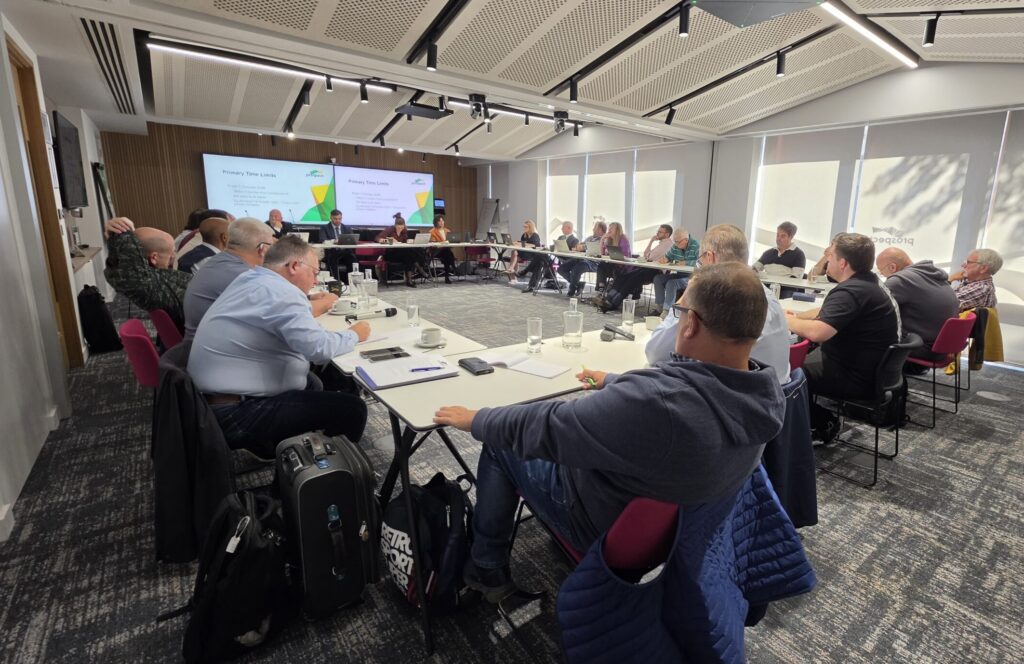
Opening the meeting and welcoming the reps, Defence Sector President, Helen Carp spoke about the importance of regularly bringing the sector together.
“I know there are lots and lots of common issues… The members drive Prospect and the members drive us, and then we [reps] drive the sector. So, it’s really exciting… and we have an action-packed agenda.”
First item on the agenda, Bob King, Prospect National Secretary, gave a strategy and political update: a “whistle stop tour of everything that’s going on around the sector.”
His presentation demonstrated the breadth of work going on across Prospect’s defence sector. It touched upon areas such as:
- Recent war games exposing supply chain resilience
- The dreadful state of defence estates and infrastructure
- AUKUS, nuclear skills shortages and a reciprocal partnership with Prospect’s sister union in Australia, Professionals Australia
- Latest political appointments, Prospect’s nomination of Steve Turner, to be the next General Secretary of the CSEU (Confederation of Shipbuilding and Engineering Unions) and TUC defence motions
- GCAP, the Global Combat Air Programme, and the issue of UK defence workers transferring into it, losing their UK employment rights, health and safety protections, and union representation
- The Employment Rights Act, access rights and e-balloting
Later in the day, Bob and other Prospect officials also gave industrial updates on their respective coalitions, such as the Defence Nuclear Group, BAE Systems, Babcock, and the Scotland coalition.
Training, legal and working groups
Other sessions during the day-long meeting included, Oli Robertson, Prospect’s defence organiser, outlining the training opportunities within the sector, such as on case handling, reps training, combatting sexual harassment and in organising.
He also specifically asked the assembled reps for any feedback and suggestions they had on courses they had attended, or whether reps felt there were any particular gaps in the training programme.
Laura Pearce, Prospect’s Acting Head of Legal, presented a refresher course on the time limits around different sorts of claims and dismissals.
Research and data officer Rodney Wheeler presented the findings of a recent survey on neurodiversity in the defence sector. His briefing is available to download from the Prospect Library.
There were also updates on a couple of developments from the Employment Rights Act that are coming into effect: Access Rights and a new statutory role for equality reps.
